Philips Enterprise brand refresh:
Scaling Governance & Creative Operations
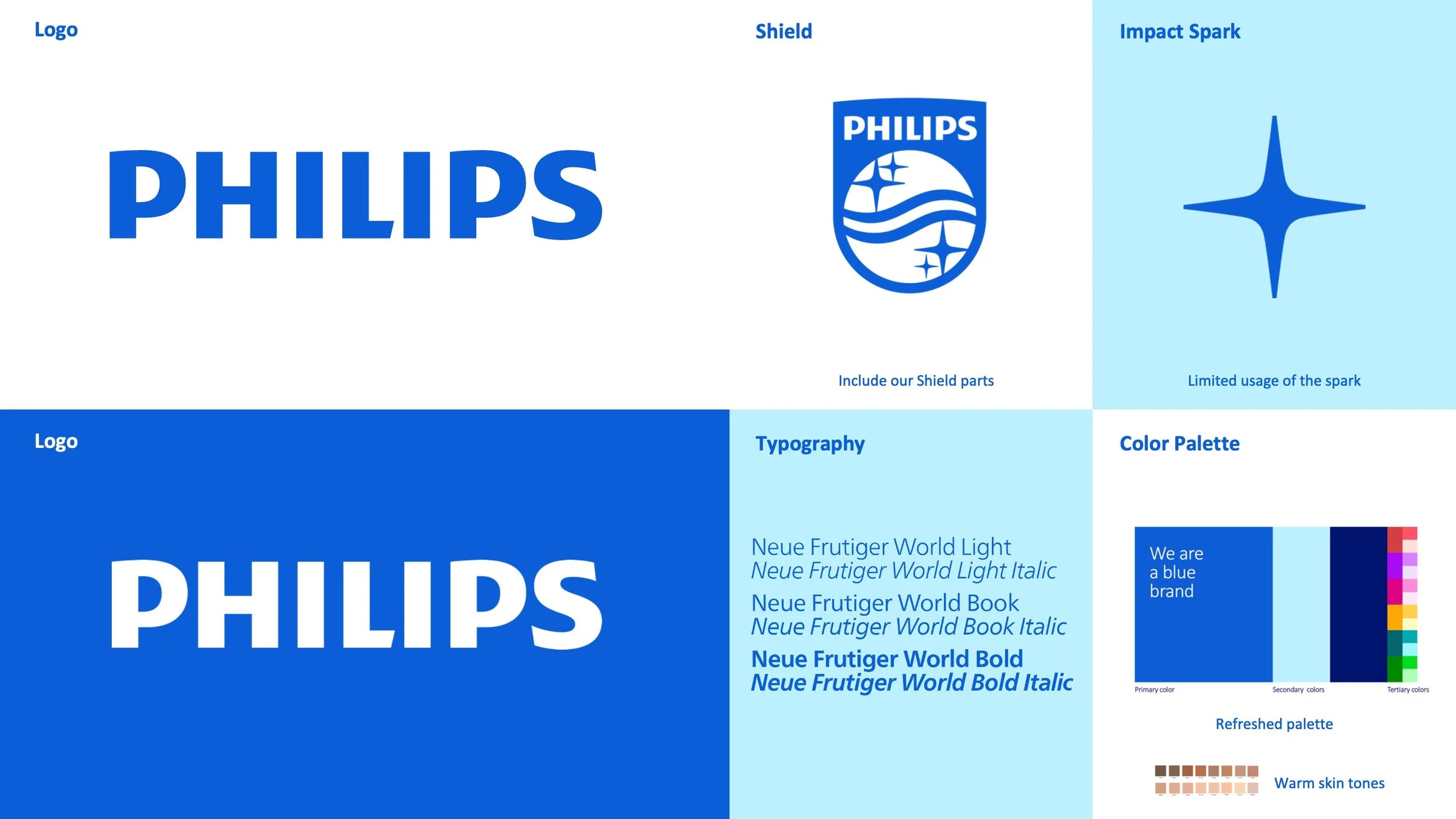
Collection of work across the organization that leveraged the updated systems developed by the Philips brand design team during our recent identity refresh.
“Andrew has also proven to be an exceptional communicator, both internally as well as with us as Philips’ external delivery partner... managing to involve a wide cohort of relevant Philips stakeholders across a number of internal silos.”
Executive Impact
The Challenge
Fragmented North American brand execution created operational bottlenecks, asset dilution, and high friction across business units.
The Strategy:
Shifted the creative organization from enforcing rigid rules to architecting enabling systems, scaling output through modular frameworks and AI-integrated workflows.
The Outcome:
Streamlined global brand governance, reduced time-to-market for regional campaigns, and established a unified design architecture that empowers teams rather than slows them down.
The Challenge: The Scale Trap
Shared management of a global brand of Philips' magnitude created a compounding paradox: as the organization evolved, brand consistency diminished. We faced a fragmented landscape where siloed workflows and local ad-hoc interpretations replaced a unified brand experience.
Our core leadership hurdles were:
Asset Dilution:
Uncoordinated multi-channel execution weakened core brand equity.
Operational Friction:
Reliance on manual creative decisions created significant bottlenecks and slow time-to-market.
Static Governance:
Traditional brand guidelines were structurally unequipped to adapt to fast-paced digital-first touchpoints and emerging generative AI capabilities.
The Solution:
Systemic Creative Leadership
To resolve these systemic bottlenecks, I spearheaded a strategic pivot: shifting from a brand-policing model to a creative-enablement framework. By introducing principle-based governance and operational efficiencies, we transitioned the organization from a reactive review model to a proactive, scalable design system.
Our approach was built on four pillars:
1 Unified Visual Identity:
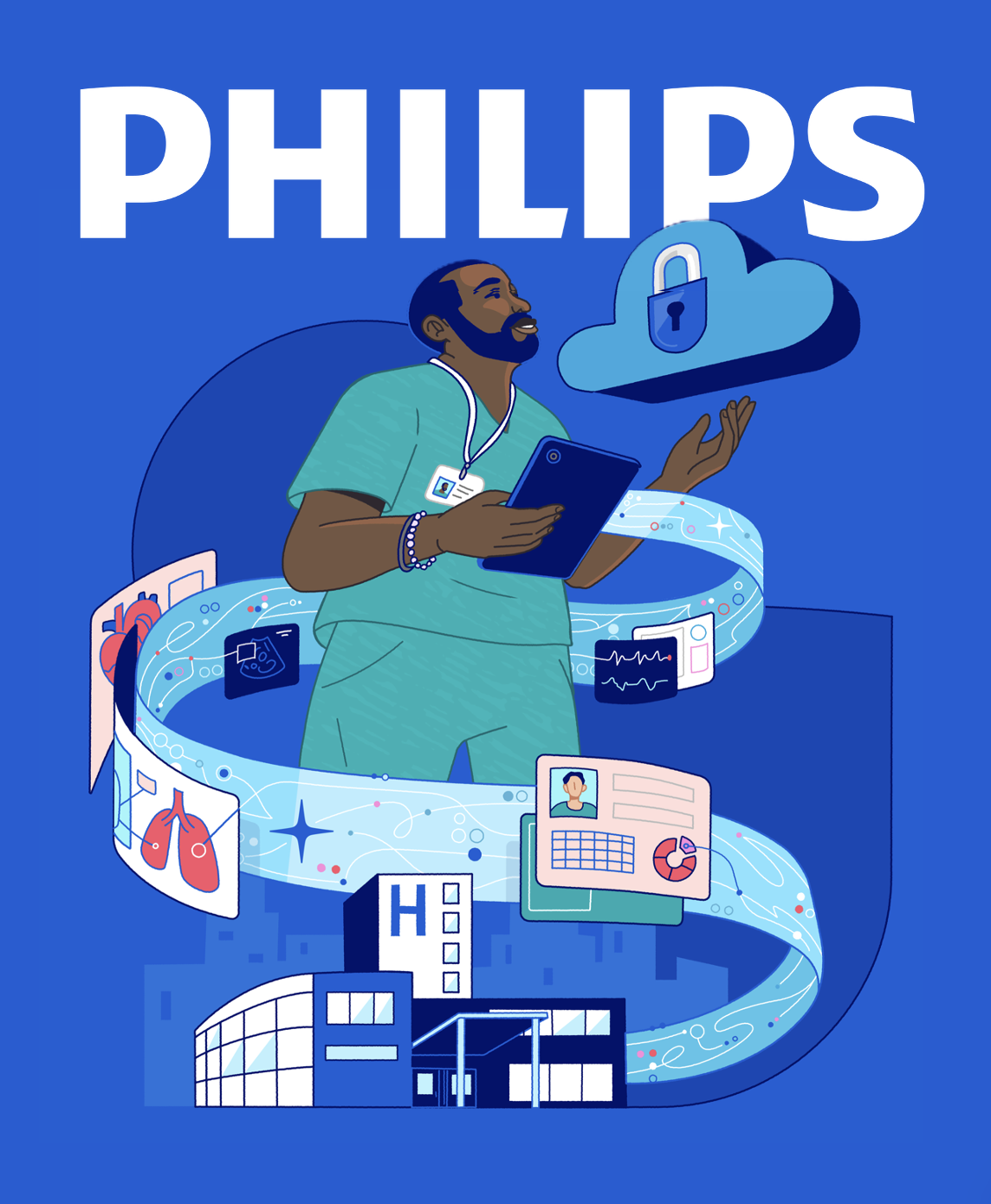
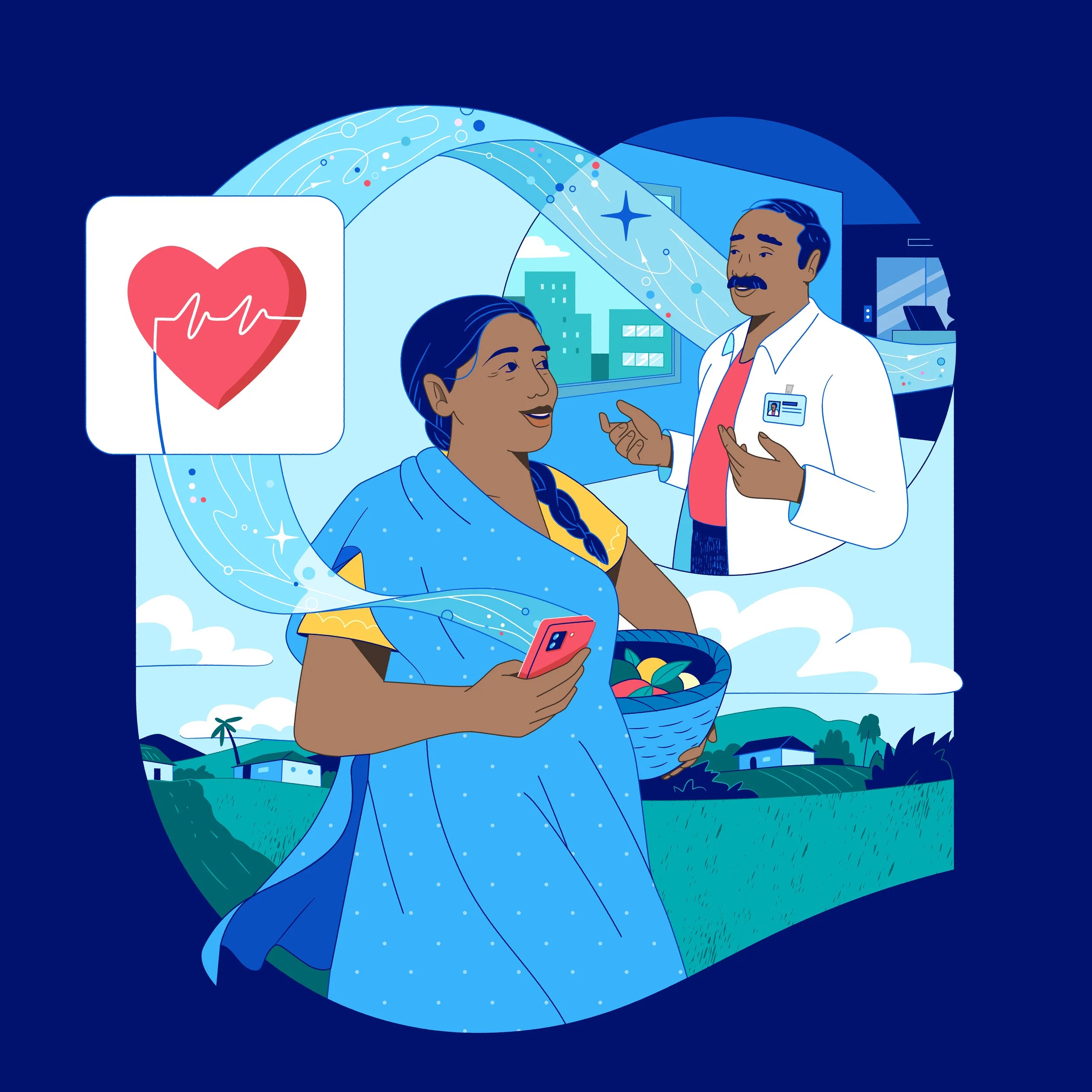
We dismantled one-off visual executions in favor of a reusable, modular framework. Alongside our core visual system, we defined a cohesive illustration style and governance model, transitioning teams away from costly, one-off commissioned assets and toward a flexible, systemized library that maintained rigorous global standards.
Modular Illustration Systems:
As our enterprise strategy shifted from hard goods to soft solutions, our brand required a robust and distinctive way to convey complex concepts like optimizing workflows and interoperability. Instead of creating individual assets, we developed a cohesive illustration system. Collaborating with a local illustrator, we commissioned him to handcraft 36 spot illustrations that establish our style in a uniquely human way. This reusable toolkit empowered teams to narrate stories more efficiently while maintaining emotional resonance and visual consistency.


2 Motion as strategic system
We transformed motion from a decorative afterthought into a functional UI and brand asset. By establishing a shared motion vocabulary, we improved user guidance and reinforced distinctive brand character at scale.
3 Workflow Modernization & GenAI Integration
We future-proofed our production pipeline by integrating advanced tooling and generative AI architectures, dramatically accelerating asset creation without sacrificing brand integrity.
4 Decentralized Empowerment
Rather than acting as a creative bottleneck, our governance model became an enabler—providing business partners with streamlined assets and modular tools to execute faster and smarter.
“Well before recent developments in and rapid expansion of genAI capabilities, Andrew had the foresight and vision to consider how the use of digital twins could expedite the process of creating product related marketing collateral...”
DioramAI Studio: Embracing operational efficiency
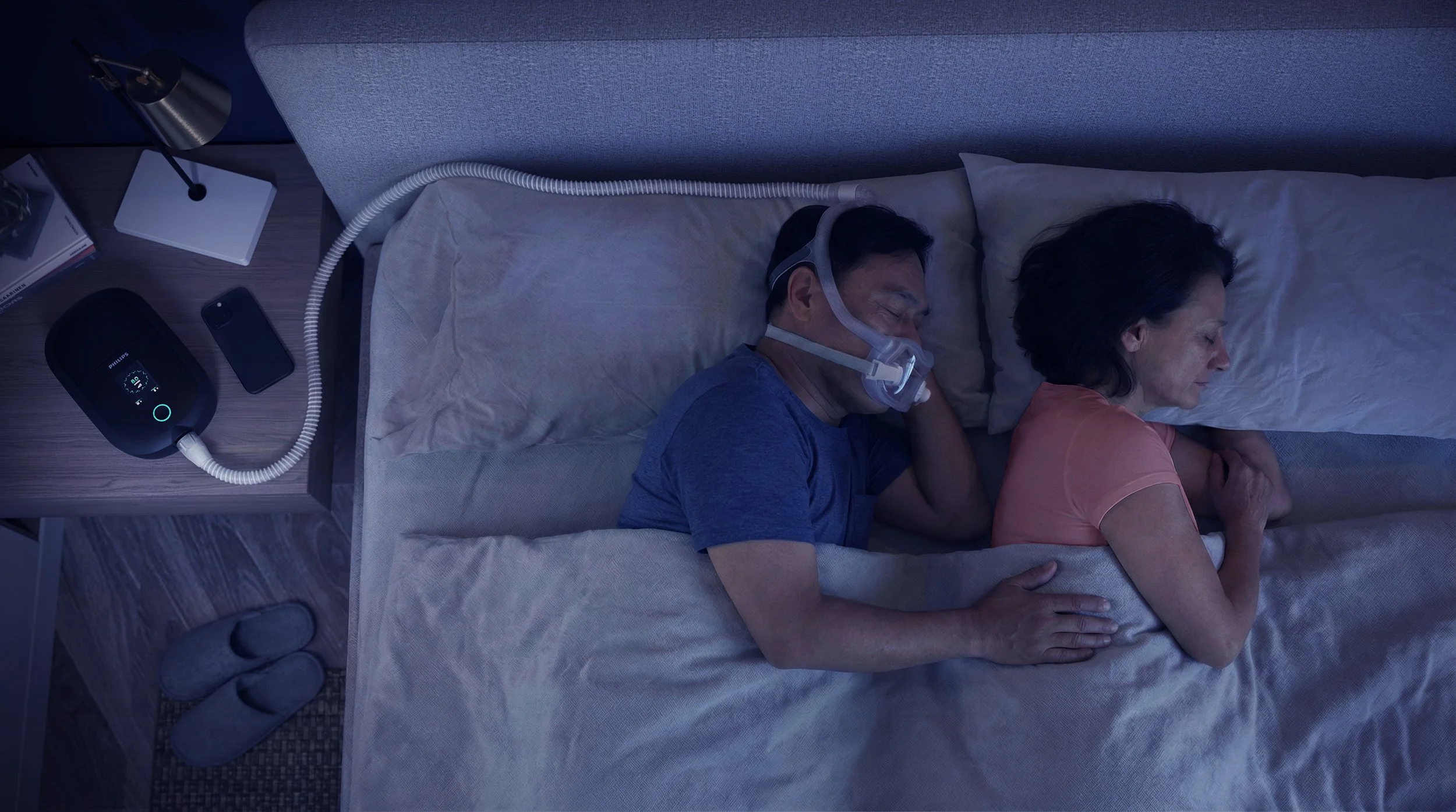
Anticipating the future of creative production, I navigated a complex internal ecosystem to pitch and develop DioramAI Studio, a structured, AI-enabled creative capability. This scalable, narrative-first platform combines 3D elements, environments, and synthetic humans to help our business tell believable, clinically accurate stories. Ultimately, it accelerates ideation and visualization without ever compromising brand stewardship or human oversight.
Details:
Secured €300k funding that was typically reserved for research-based projects
In a cohort of 52 applicants, was were among the 12 selected
Navigated a highly-matrixed organization to secure additional funding and project acceleration
Our four-month sprint resulted in cost avoidance of approximately €718k and a time savings of 50%-90% in image creation compared to traditional photography
Projected annual operational savings exceeding €2M+ (modeled annual cost-avoidance potential at scale) while ensuring strict brand safety.
Delivered against our best in class standards for images that appeared authentic and not AI-generated
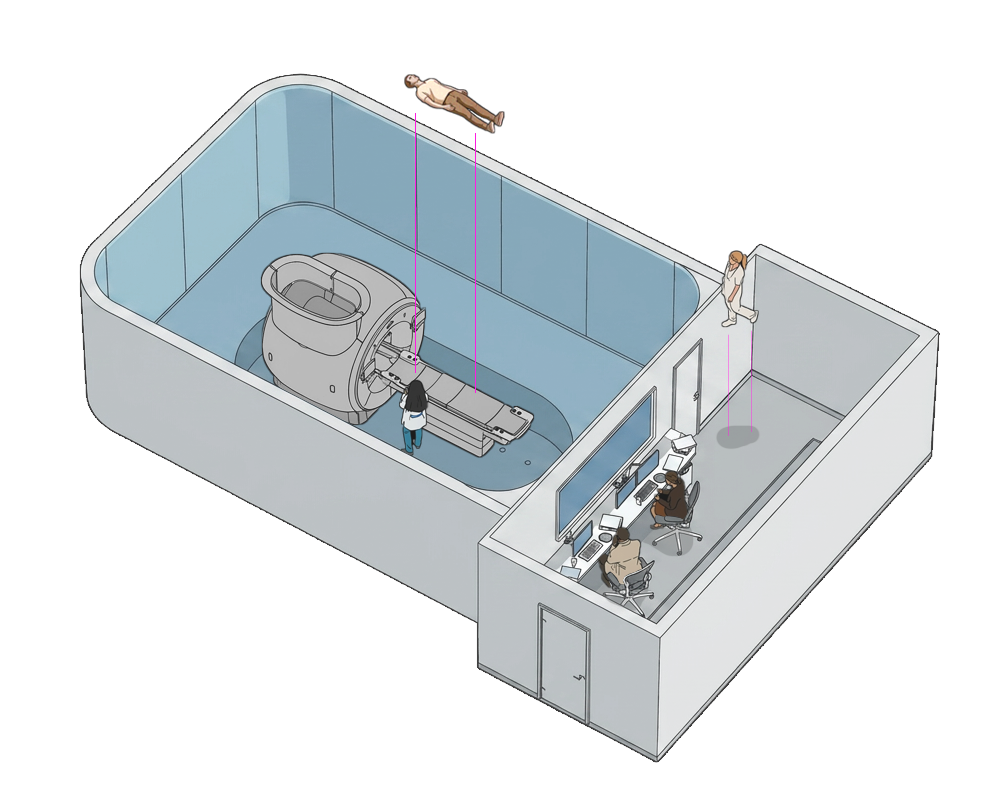
High-level concept based on persistent digital twin dollhouse. Framework inspired and built off of traditional photography.
Process overview
DioramAI Studio Workflow and ingredients. Functioning MVP used to support 14 BUs.
Image example 1
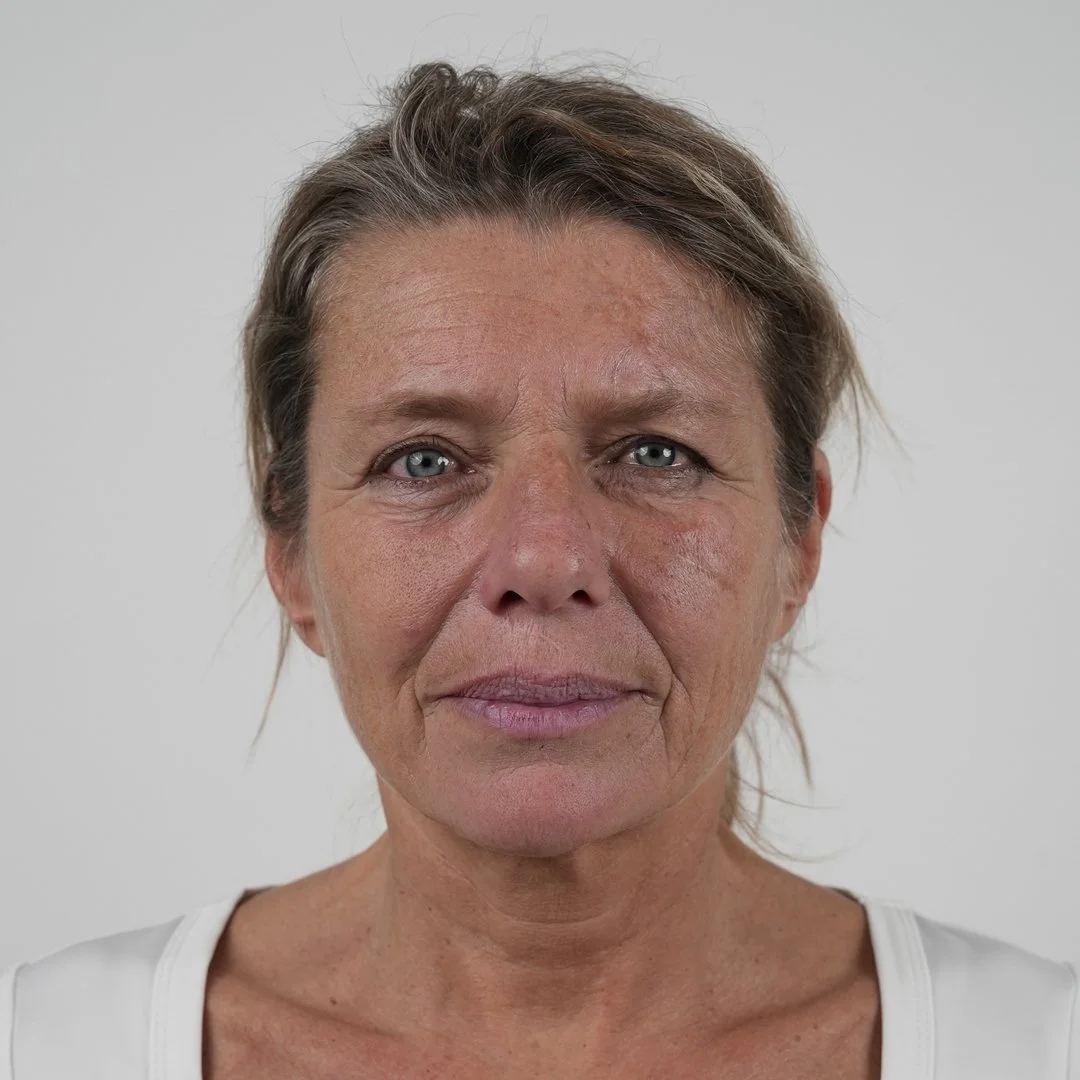
Example: LoRA female clinician. Posed in scene below.

Example: LoRA male patient. Posed in scene below.
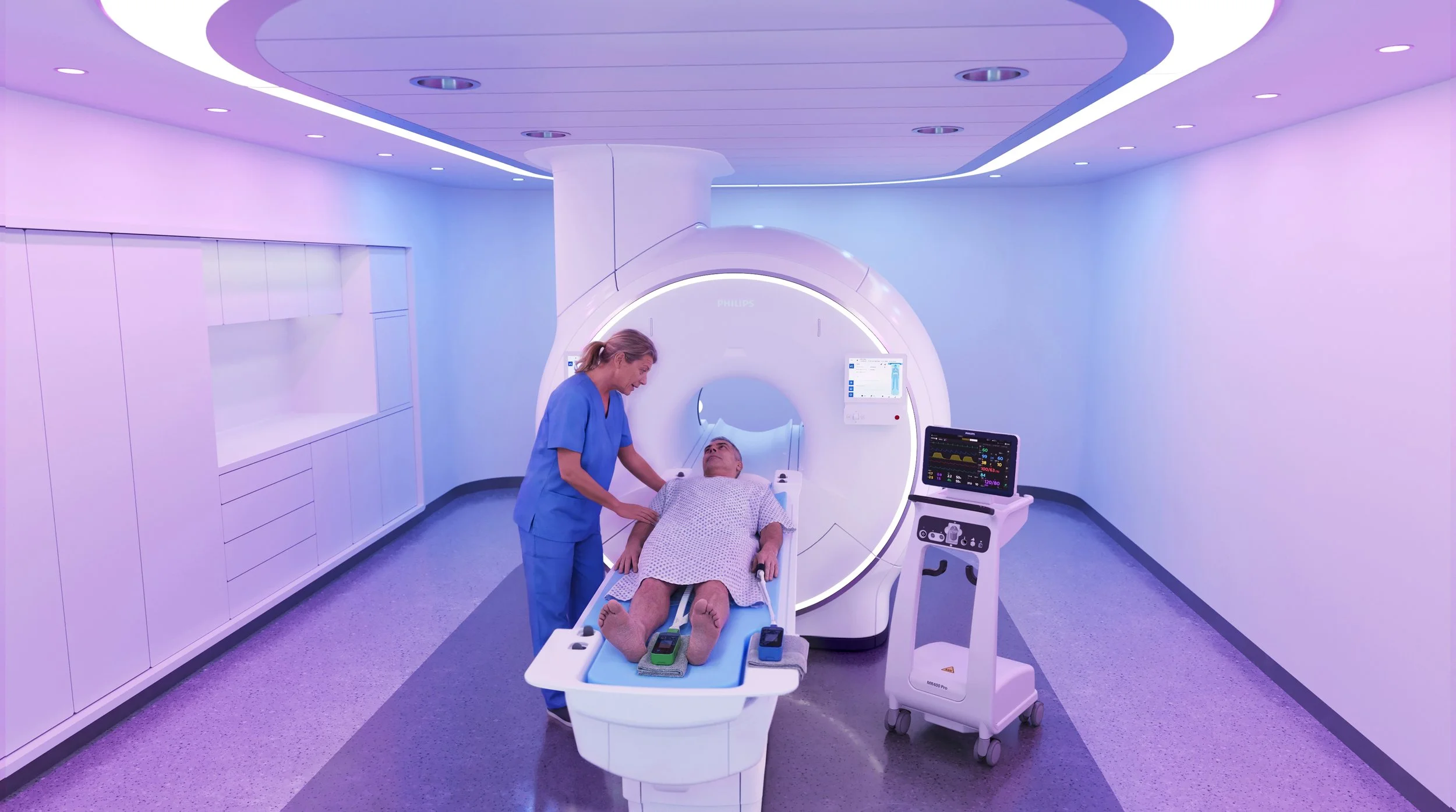
Full scene digital twin (LoRAs male and female placed). Workflow includes SMEs, Stakeholders, Art Directors and technical staff.
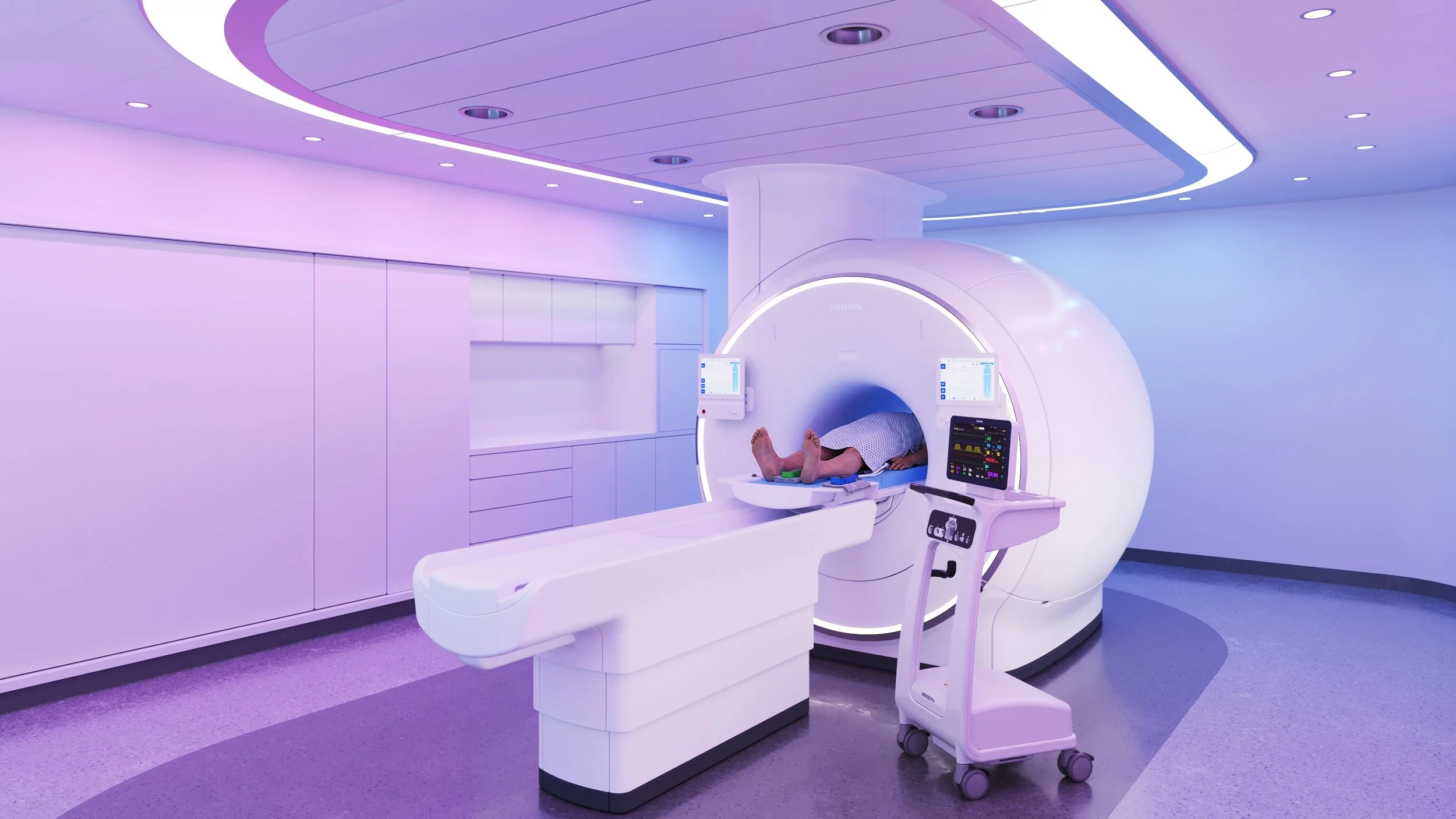
Full scene digital twin (LoRAs male placed).
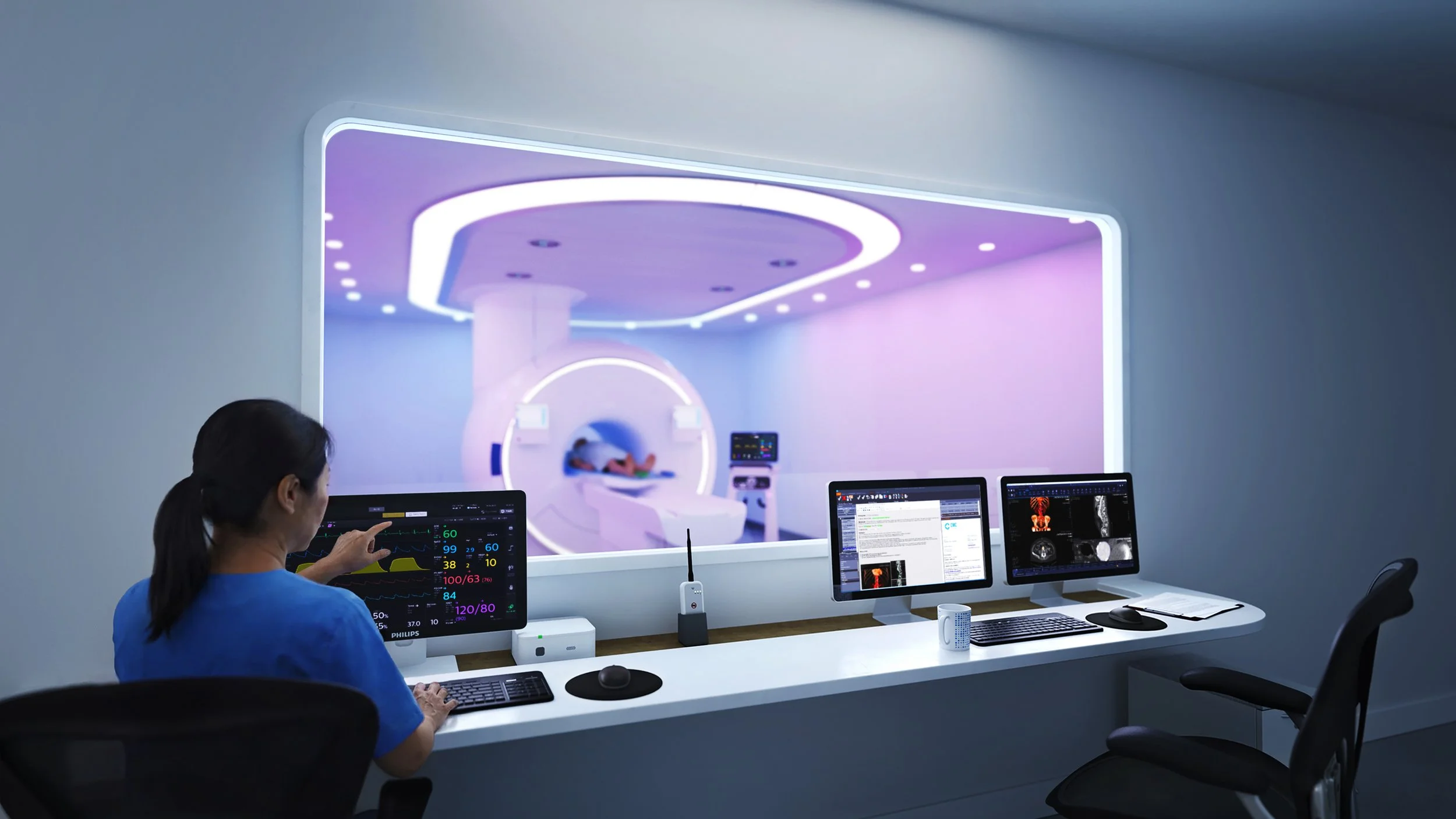
Full scene digital twin (LoRAs male and female placed).
Image example 2

Example: LoRA male talent asset and posed in environment to the right.
Full scene digital twin (LoRAs Male and females placed).
Image example 3
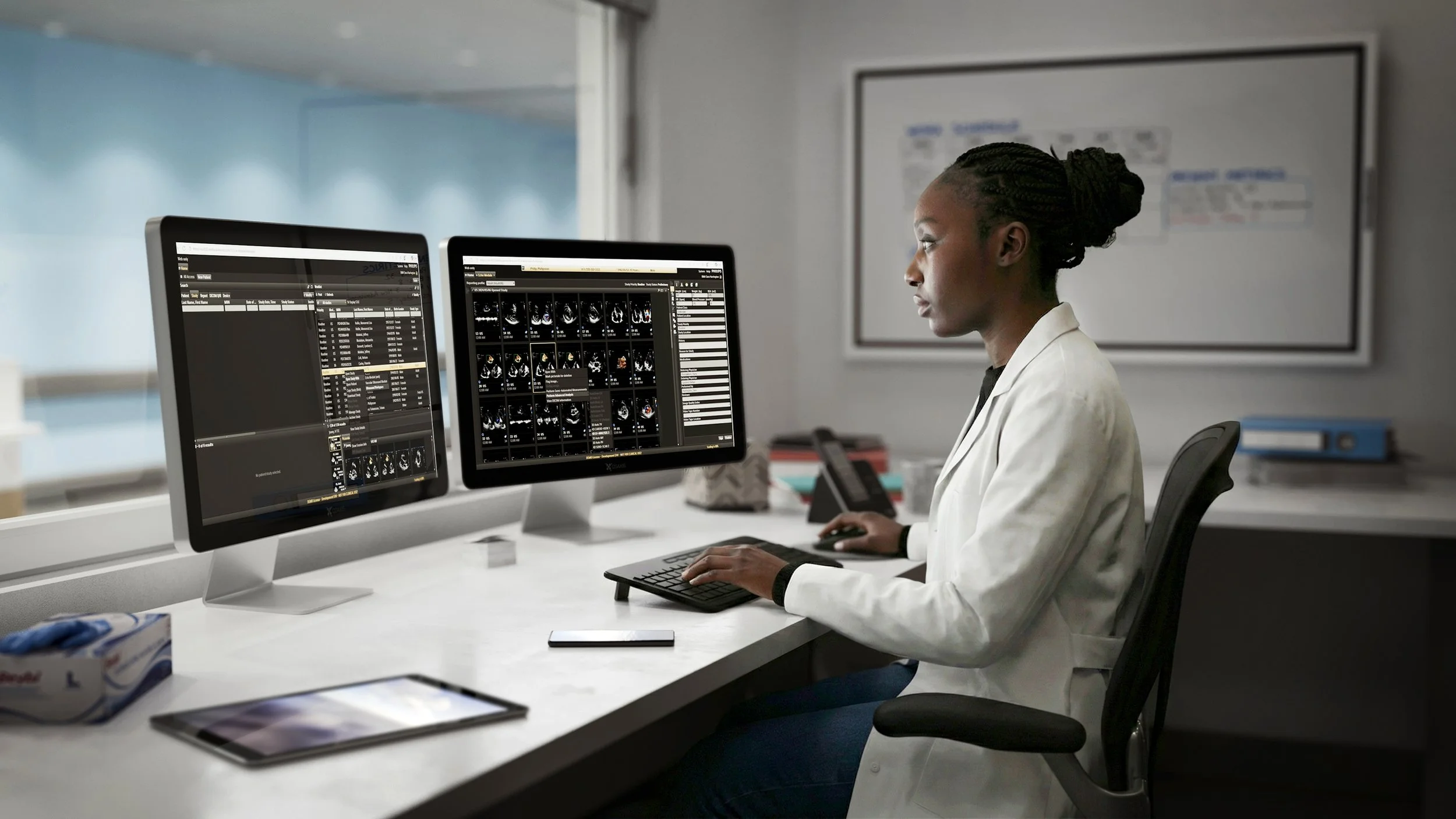
Full scene digital twin (LoRA placed).
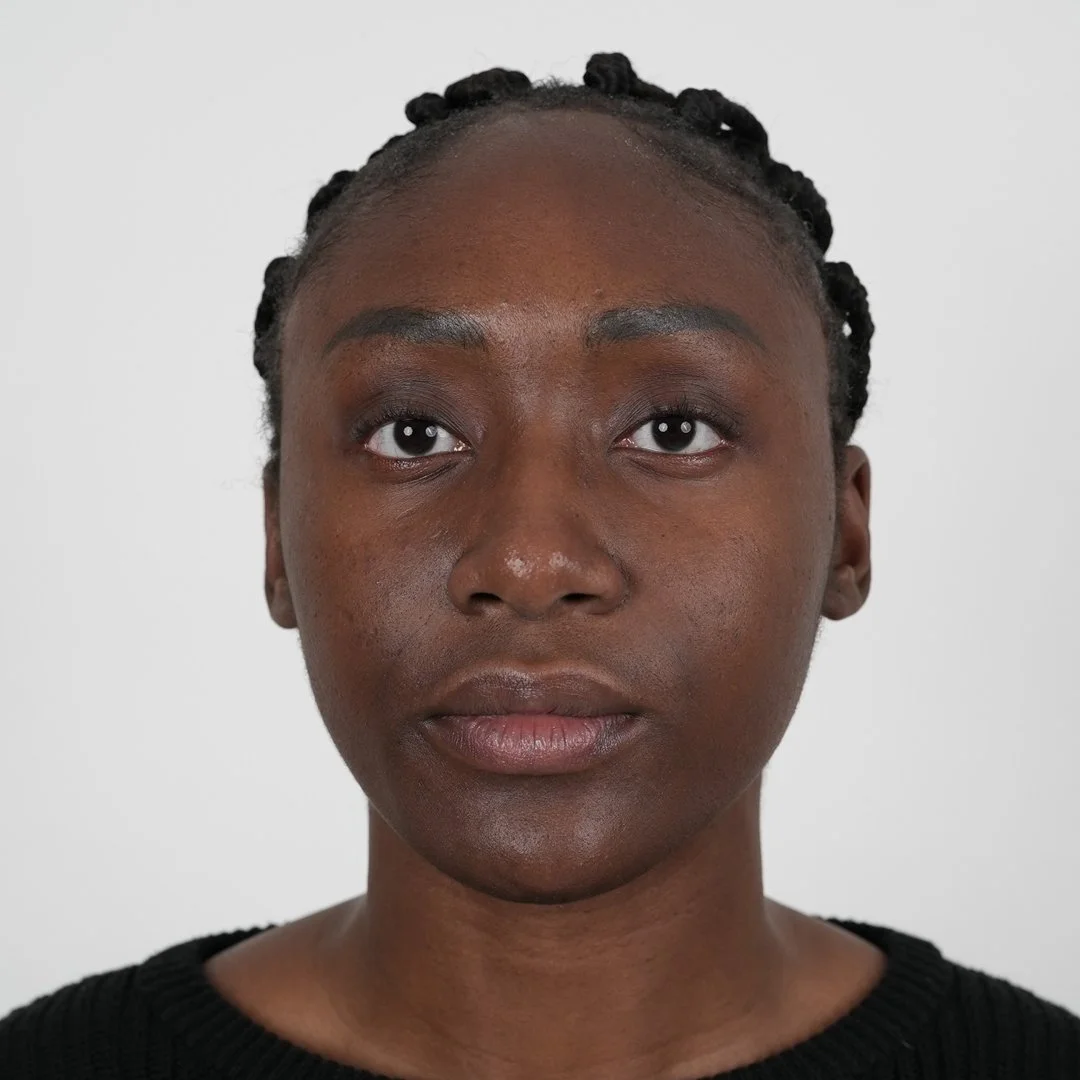
Example: LoRA female talent asset and posed in environment to the left.
The Impact: Efficiency & Quality at Scale
By translating creative intent into operational systems, I helped evolve the brand from a collection of guidelines into a scalable capability. This shift enabled:
Faster Velocity: Reduced creative review cycles and rework by providing teams with common language and clear evaluation criteria.
Enhanced Consistency: Strengthened brand application across global product, marketing, and communication touchpoints.
Future Readiness: Built the infrastructure necessary to integrate generative AI workflows with intentional standards for quality and responsible use.
Philips Brand Design is a global function dedicated to empowering business partners and markets to responsibly and artfully elevate the brand. This work is driven by a multidisciplinary team of senior art directors, strategists, marketers, and project managers, supported by a dedicated network of external partners trained as seamless extensions of our brand architecture. The projects showcased above are never the work of a single individual, but the proud culmination of intensive cross-functional collaboration and teamwork.